
When a Community Goes to Court: The Power of Proximity
Friends,
For many of us here, the year started with a trial.
So many of you have been donating, praying, spreading the word about our friend Victor's upcoming case.
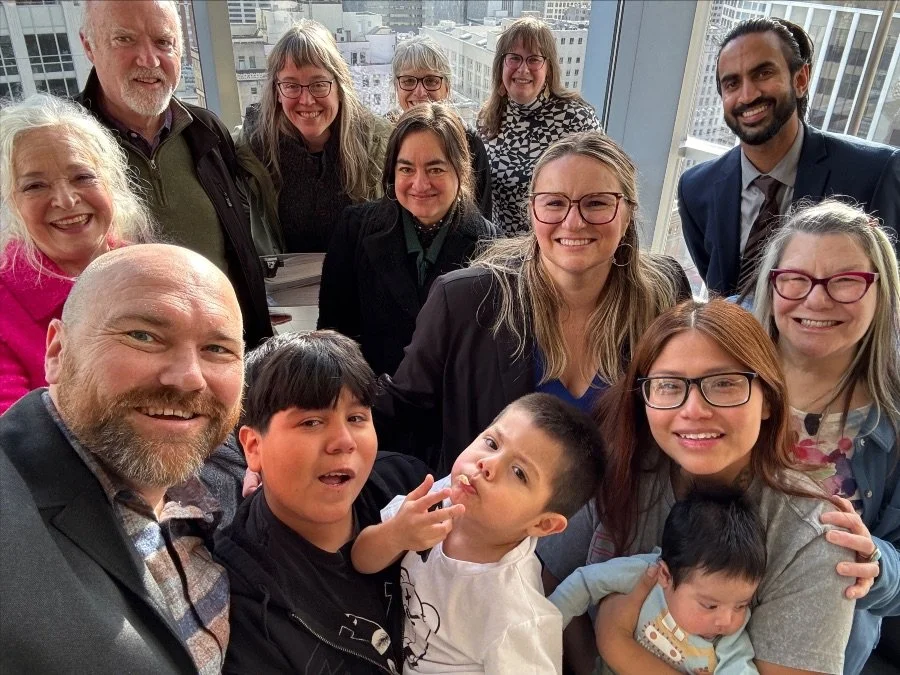
Some of you joined us on the long drives to the downtown Seattle federal building, riding the elevators with Victor’s fiancée, Yesica, and their two boys, Manny and Yovani, where we shared quiet smiles and waves with Victor as he sat beside his defense attorneys in a tie—dress clothes provided by some of you.
For five days, we listened to the prosecution's eight witnesses, all ICE and Homeland Security and Border Patrol agents taking the stand.
The state alleged that, when these agents ambushed Victor and his landscaping coworker on the road with their unmarked SUVs and mostly wearing masks, forcing contact between their cars, that Victor had assaulted four of them with a deadly weapon.
The jury—and all of us in the courtroom—watched the helicopter surveillance video over and over again: Victor's landscaping truck and clumsy equipment trailer slowly dodging oncoming vehicles the best it could before he was apprehended.
Our only defense witness was Victor's coworker in the truck with him—another beloved member of our Underground community on his own journey of healing. He was terrified to appear, and our staff spent time supporting him this past month. He spoke simply, and honestly about what he remembered in those nightmarish ten seconds that afternoon.
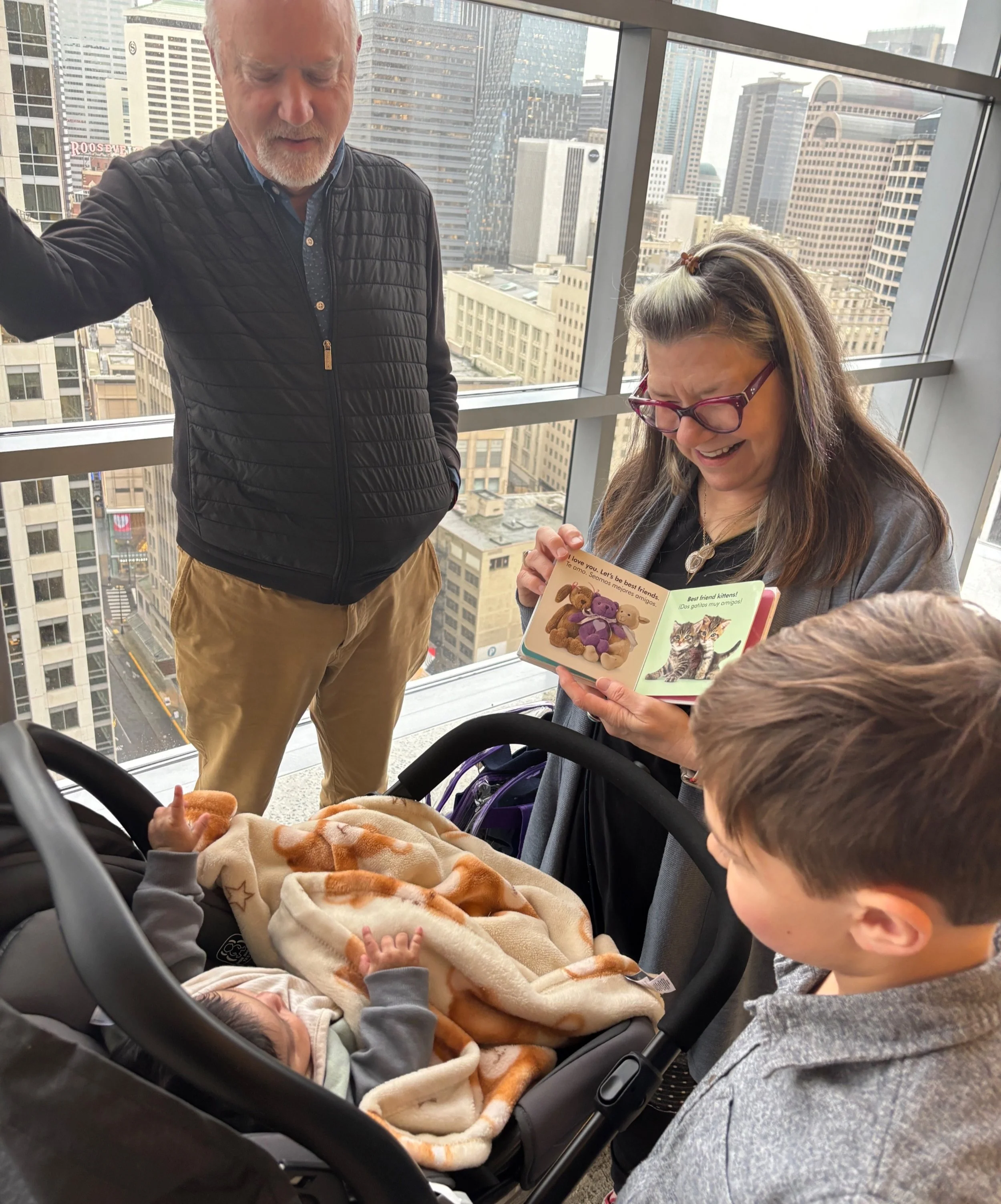
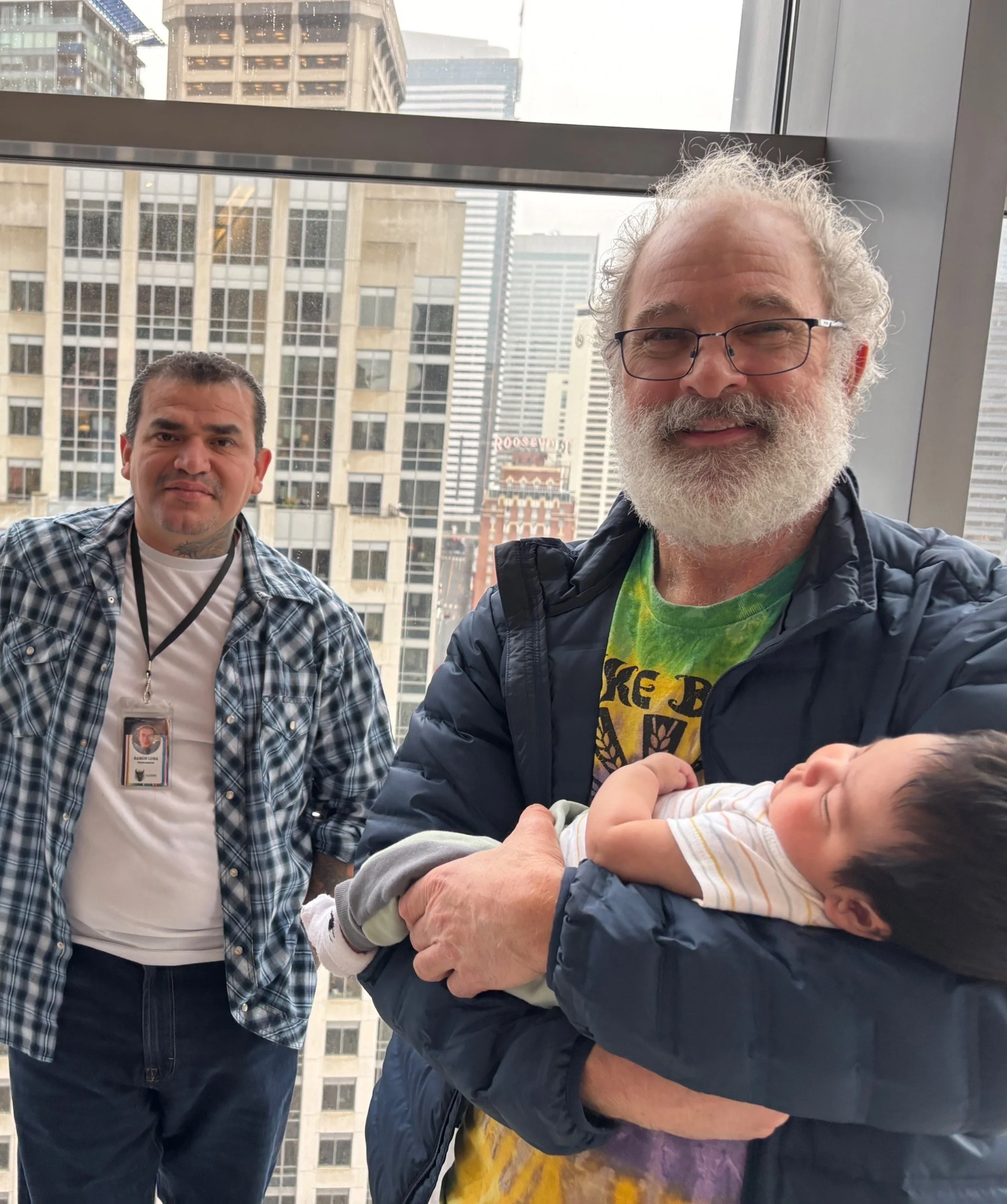
Several of you spent hours playing with little Manny in the court gallery, whispering and drawing on the floor to let mom listen, not make noise. More of you took turns holding baby Yovani, whose sleeping and gurgling humanized the icy legal temple.
A community was present.
On Friday, the jury was dismissed to deliberate whether Victor, despite some obvious car collision damages, intended to harm the officers.
A former federal prosecutor sat next to me, and told me that if a jury's deliberation is short, that's often not good news for the defendant.
Half an hour later, our lunch not even finished, I got a text from the defense: "Jury already has a verdict come back asap." Oh no. We ran the baby stroller up the dozens of federal steps, rushed through X-ray security, up the elevator.
In a painfully still courtroom, the jury read their decision:
"Count 1: Not Guilty."
Victor looked up from his lap, eyes pooling. He looked at us, maybe scared to hope.
"Count 2: Not Guilty."
Serious? I began to breathe.
"Count 3: Not Guilty."
But maybe the last agent, who jumped from a moving car?
"Count 4: Not Guilty."
The defense attorney, Colleen, who'd worked tirelessly the last seven months on this highly politicized case with Victor in detention, wept outright. As did Yesica by my side and many in the wooden pews around us. Manny, tired of days of adults talking, merely asked to go to the bathroom.
Seattle KING 5 News came up to Skagit county to interview some of us for this rare full acquittal in a federal courthouse:
Seattle KING 5 Evening News did a brief clip, interviewing some of us after the jury acquitted Victor on all counts.
Many of you have asked, "What's next??"
Well, Victor was "released" from criminal detention and transferred to ICE Detention Center in Tacoma, WA. The next campaign begins now, working with an immigration attorney to get Victor released on bond, hopefully, and working with his family to get him legal status in our country.
We will continue support his family and their communications, as well as raise funds for the immigration attorney we are working with now.
If you'd like to contribute to this fund:
Write to Victor yourself:
Victor Vivanco-Reyes A206354700
Immigration Detention Center
1623 East J Street, Suite 1
Tacoma, WA 98421
Simply send a greeting card, let him know you're praying for him, tell him about yourself and why you care, ask him a question.
Human connection is everything. Join us.
Colleen, Victor's public defender, tearfully told us in the lobby after this win that she wished all her clients "had this kind of love" wrapped around them.
Support for him in detention. Support for the family. Writing letters of support. Involved in the case. Showing up to court. It's what some people are starting to call "participatory justice."
And it's not just in Victor's case.
Many One Parish One Prisoner community teams are stepping through metal detectors in their local jails and sitting in court rooms these days. Because they love someone in the legal system now.

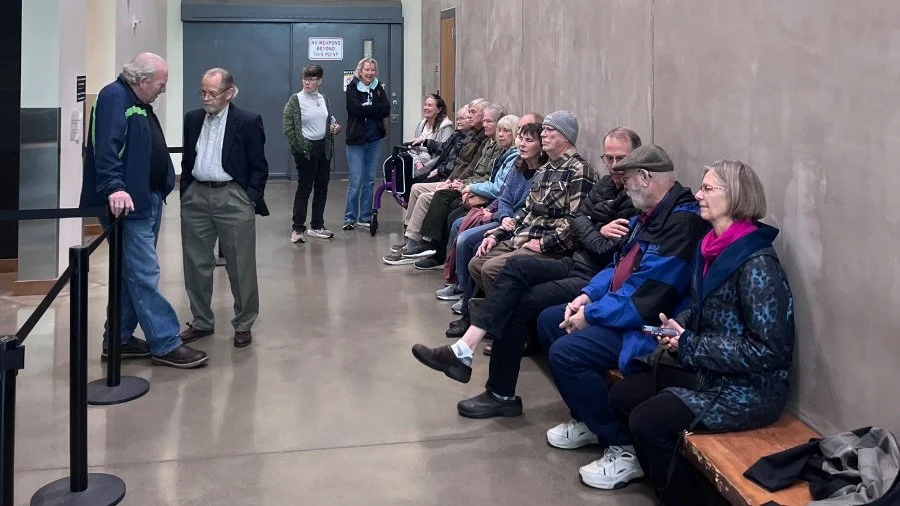
This photo—from our local jail courthouse lobby—was sent to me by a retired Episcopalian priest, Jonathan. He is part of a local Covenant church's One Parish One Prisoner team, one county away.
They have all built a friendship with the same man, "R"—through prison letters, visits, release support last year, facing community barriers and staying faithful as he slipped into old mistakes.
They aren't activists in the normal sense. They simply love their friend R.
So they pray for him at church. Send email updates to friends and family. And a dozen or more community member, church members, showing up for each hearing of one person in custody.
A court security officer told one of the pastors in this lobby, "In my thirty or so years in this work, I've never seen something like this."
It sends a message. That, guilty or innocent, the person facing charges belongs to us, is part of our community.
Even this week, our Underground Healing navigators and other staff are taking shifts attending another trial downtown here, in the Skagit County Superior Court. One of the teenagers in our care is facing massive charges, and we show up.
It's what Bryan Stevenson, civil rights attorney and author of Just Mercy, calls "the power of proximity." When we know personally—and care deeply for—one person inside a system of punishment and disposal, we are compelled to draw closer. We make phone calls. Advocate for something better.
And this power enters our hearts and starts to propel our lives and imaginations in new directions.
It's our theory of change.
It's the mystery of the Incarnation, after all.
Such kindness, as the formerly violent Paul said in a letter, brings us all to repentance.
Thanks for joining us in this mystery,
Chris Hoke
Founder & Executive Director, Underground Ministries
