
BOOK 2: IDENTIFYING THE STONES & LAYERS
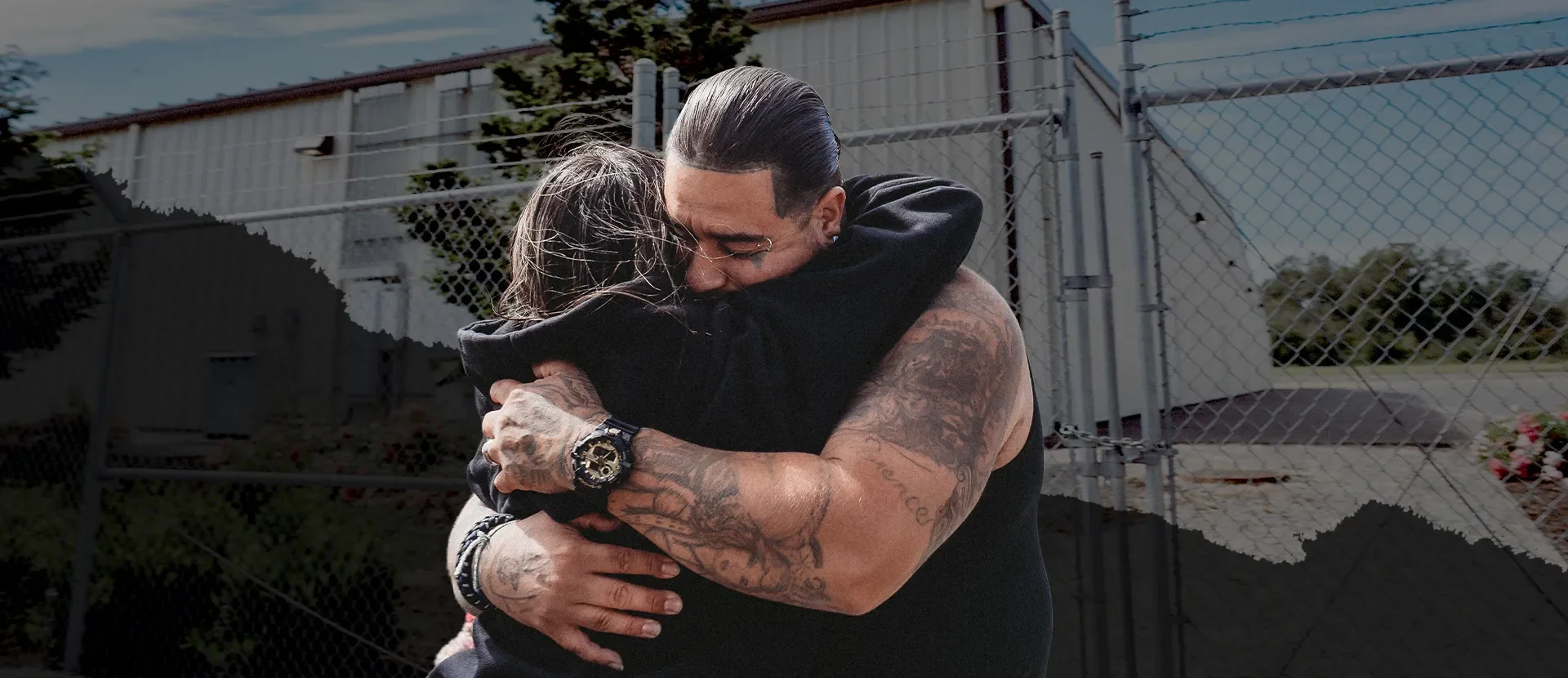
We all find ways to numb our pain and loneliness. Relationships and trust are the way out.
Addiction of some sort is one of the most common struggles shared by people who end up imprisoned in America.
It’s very likely that the person you are building a relationship with in prison has suffered immensely through the chaos of substance abuse: Meth. Heroin. Cocaine. Pills. Alcohol. Those are the obvious ones. But there’s also addiction to toxic relationships — codependency and physical abuse; to gang belonging, political belonging – the power, drama and identity these offer.
The perennial question we face is “Why do people repeat behavior that clearly destroys their lives?”
In one sense, it’s an ancient question.
The Apostle Paul, who wrote much of the New Testament as prison letters, confesses the heart of this struggle in a letter to a group in Rome: “I do not understand my own actions. For I do not do what I want, but I do the very thing I hate” (Romans 7:15).
It’s also a contemporary field of important and ongoing study. To be clear: we are not chemical dependency professionals. Nor do we want anyone on our teams to feel they need to be —nor try to be— in order to walk with faithfulness alongside someone struggling with addiction.
We want to offer some new lenses through which to look at addiction – Not only your releasing friend’s possible addiction and the road of recovery ahead, but also the hidden addictions in our own families, congregations, and personal lives.
Remember: The point in all of this is mutual transformation; finding unexpected kinship with our incarcerated friend. Trusting that Christ will meet us as we more authentically meet one another, see one another, gently removing the layers that cover our shared wounds and humanity.
For this months’ group discussion, please:
READ the two brief insights below
WATCH the TED Talk on Addiction & Human Connection (transcribed at the end of the module for those that aren’t able to watch online.)
LISTEN to the podcast episode linked below. It’s quite possibly the richest, broadest conversation on addiction we’ve found. It may offend you or inspire you, but will certainly open new conversations and compassion.

1. ADDICTION IS SELF-MEDICATION TO NUMB PAIN
Globally recognized addiction expert Dr. Gabor Mate says we shouldn’t be asking, “Why the addiction?” but rather, “Why the pain?”
Folks locked up for the chaos of their addictions are often survivors of immense trauma. Child abuse, violence in the home growing up, lack of nurturing environments, gang violence, being passed through the foster system like unwanted goods, broken relationships. There is shame and guilt about what has been done to them, and even more piled on from what they’ve done to themselves and others.
The heart of recovery work — and our role in supporting our incarcerated friend — is not in managing behavior and sobriety, but creating a relationship of safety and curiosity to explore the root pains beneath the numbing behaviors.
Whether our friend is sober or relapsing, openly engaging recovery or trying to avoid it, our role is to build relationships of compassion and trust. In this kind of relationship, healing of past and present pain can gently, slowly happen. The fears and wounds we run from with secrecy, drugs, isolation, anger can be opened—to God’s love, forgiveness, and healing.
QUICK QUESTION
2. ADDICTION IS ISOLATION
Our friends at New Earth Recovery in Skagit Valley point us toward the video below and its profound statement: the opposite of addiction is not sobriety; it’s connection. Most of our wounds are interpersonal, so most self-medicating addictions are how we deal with the pain of cutting ourselves off from others and the hurt we’ve experienced.
Our goal is not to become competent addiction counselors. What your team offers is a nest of new connections. Our incarcerated friend will hopefully engage with their (often probation-required) outpatient treatment evaluations and groups. You can support them in that if they choose it. But again: you are not their addiction counselor or accountability partner. The magic and power of what we can do is engage in the kinds of deeper relationship that re-train the fearful brain in ongoing, safe attachment.
Recover is learning how to trust again, and our work is to be open to this bumpy ride of learning to trust each other.
As we admit how terrifying it is to come out from behind our middle-class “I’m-doing-great” facades, we can appreciate how much courage it takes our releasing friends to risk vulnerability in leaving their addictions, street facades, and other survival behaviors that have protected them for so long.
3. BONUS MATERIAL: ADDICTION IS EVERYWHERE
If you have time, treat yourself to the interview below that explores a new addiction angle on everything from shopping to political leadership. Watch with a friend or listen while you’re driving. While we can’t endorse all the opinions or language of these two unique minds, we think it is a powerful conversation to stir us into much larger thinking together.
ACTION STEPS
WRITE YOUR INCARCERATED FRIEND: Tell them about how addiction has affected your family or friends, or yourself.
FOR TEAM DISCUSSION
How has addiction affected your family, your story?
How might seeing addiction as a numbing-of-pain help you better understand whatever addictions your incarcerated friend might struggle with? Connecting these dots will help you unlearn judgmental impulses towards them, and deepen your ability to care.
What kinds of pain do we all hide and numb in normal, acceptable ways? How are these numbing behaviors (while legal or acceptable) hurting us? How do they further isolate us from more authentic relationships with each other, the world, and God?
How can your One Parish One Prisoner team and your larger church/community, be like a “Rat Park” for your friend with experiences of prolonged isolation?
If connection is what we most seek, how does that refocus our goal — perhaps away from trying to figure out reentry details and towards building and maintaining human connection with our person? What keeps us from offering that connection we all need?
FOR REFLECTION
