
BOOK 2: ROLLING AWAY THE STONES
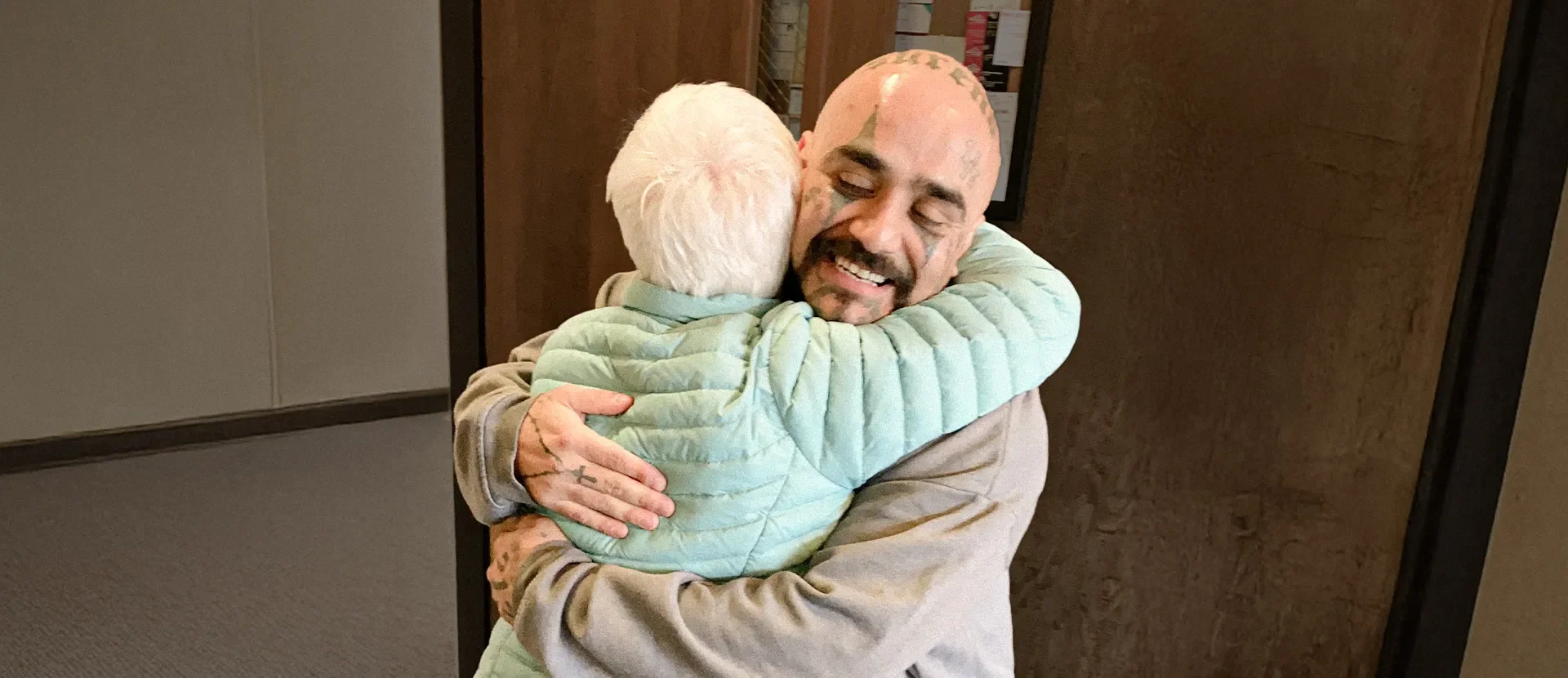
How to practice storytelling and organizing with the whole congregation.

Jesus Raises Lazarus. Jesus MAFA, 1973, Cameroon. Vanderbilt Divinity School Library
THE TIME HAS COME
You’re getting so close to your friend releasing! Well done for making it this far as a team. We gave you a preview of this important event months ago in the Boundaries & Money module. Now it’s time to plan your Welcome Home Event with the rest of the congregation.
This is where the connection between the “hand” of your small team and the larger “body” of your congregation gets strengthened. Where the initial grip of friendship, like a handshake, gets pulled into a larger and stronger embrace.
You have learned so much—about your incarcerated friend, about mass incarceration, about relationships across external and internal barriers, and about our faith.
Now is a joyful time to share some of this with your wider faith community:
introduce them to your friend (and Jesus’ friend) inside the tombs
share about the tomb system you’ve been navigating
invite them to help roll away the stone at this final push
prepare the larger body to fully welcome and embrace your resurrecting friend into the community.
Here are the basic steps we suggest for creating a rich, one-hour “Welcome Home” event sponsored by you all, the church’s One Parish One Prisoner team. Take this month to start planning this event: scheduling, divvying up tasks, getting creative.
Have fun!
BEFORE THE EVENT:
A letter of introduction from prison.

What better way to introduce this unknown, mysterious person in prison to the larger church… than letting your incarcerated friend introduce themselves, in their own words?
One church decided to do this years ago, and now it’s a One Parish One Prisoner best practice. This letter is the first piece to get started preparing this month.
Invite your partner to introduce themselves in one page to the larger congregation. To name their past crime in their own words (just a sentence or two; this is not the deeper storytelling you’ve done earlier). When this is done well, in two or three sentences, it disarms so much wondering, suspicion, and fear.
Then, invite them to share some of their journey of healing and coming alive, however they would describe their story’s turn. What do they want moving forward in life? What would they like to ask the congregation?
Have them insert a photo of themselves they’d like to share, photocopy this, and put it into the church bulletin the Sunday before the event. Or mail it in the church mailer if you have one, or include it in the church’s regular email update.
A shared prison letter directly from your beloved releasing friend is a key step in discipling your church.
This is not just hearing the voice of Lazarus while still in the tombs. This is a chance to remind the church that prison letters are much of our New Testament. Much of our faith’s central scriptures were written by a formerly violent aggressor whom the early Christians feared!
One church read their letter aloud, during their mass’ announcements: “And now, a reading from the Epistle of Saint Ruben…” This is more than a charity announcement. This can be both fun and enlightening for the congregation, refreshing our understanding and practice of our own roots as Christians.
WHEN TO HOST IT:
At least a month before release.
Some churches have found it easier to host immediately following a Sunday service, in the fellowship area, with extra refreshments. Some churches prefer an evening gathering. Pencil in an hour.
During the pandemic, one church broke up the following components of the hour-long event into a string of One Parish One Prisoner updates strung across six Sunday services. This is a great idea, as it builds a sense of anticipation—a kind of advent liturgy. (By the way, Advent is a rich season to talk about the practice of waiting for someone’s arrival home from prison: Prison reentry as advent training!)
PREPARE SLIDES:
For using throughout the event.
Visuals are important! Make some slides. Be creative.
Include:
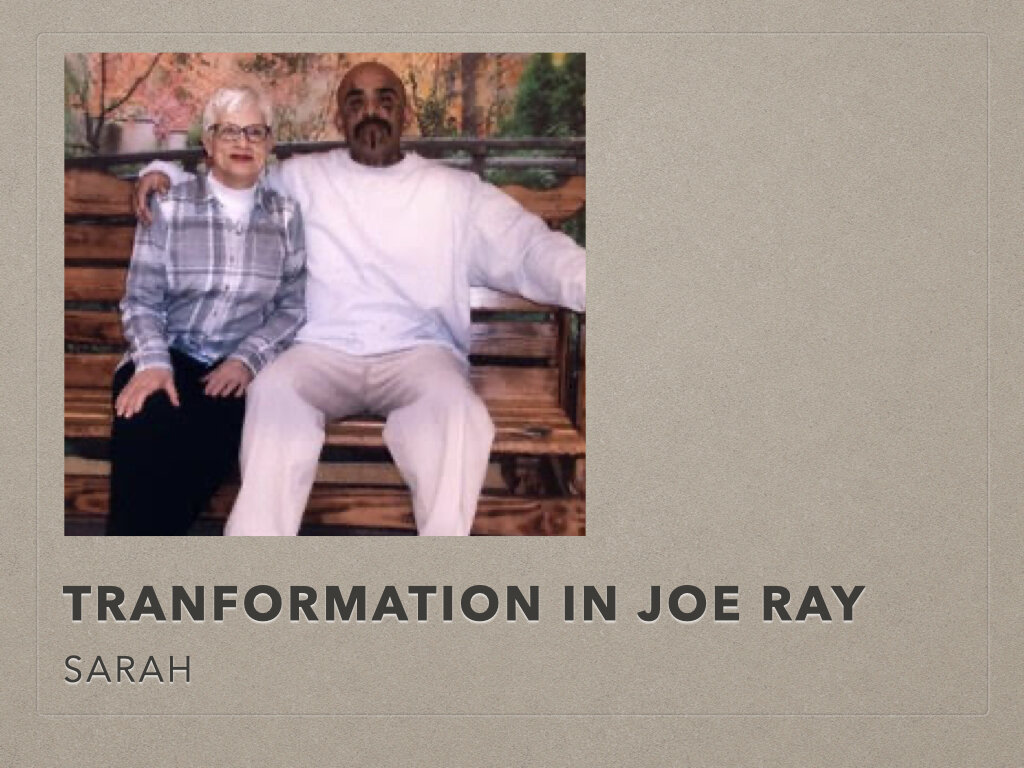
a photo of your friend with their name
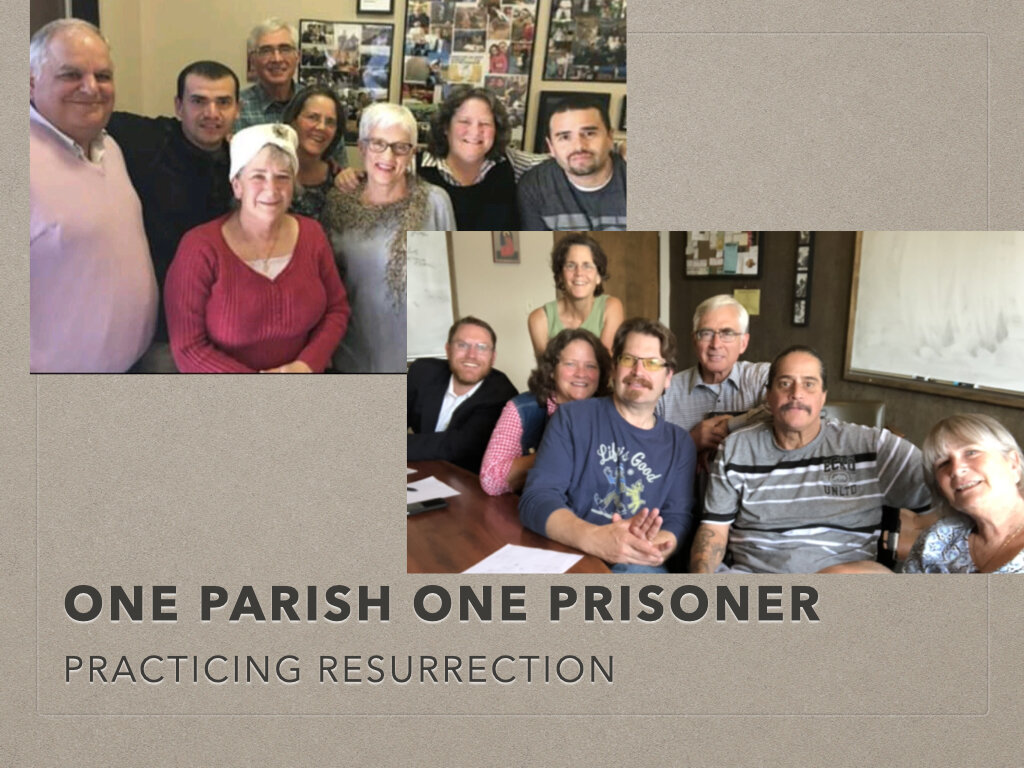
any photos of their past they want to share, and any that may have been taken with your team during prison visits
photos of your team together in person, or a screenshot of your Zoom meetings together
any passages or images from past modules that might give theological framing: for example, that we are practicing resurrection — tell the Lazarus story as the guiding image for this work.







QUICK QUESTION
A SUGGESTED TEMPLATE TO USE
1. MASS INCARCERATION 4-MIN VIDEO: National Impact
At the event, start with a brief welcome to the first-ever One Parish One Prisoner program’s “Welcome Home Event.” Explain again that your team has been building a relationship with someone in prison and learning about practicing resurrection as a church in the age of mass incarceration.
“And to start… we’d like to share a quick video that tries to summarize what we mean by ‘mass incarceration’ in just four minutes!”
Roll the video you watched a month ago:
2. WHAT IS ONE PARISH ONE PRISONER?: The Movement
After the video, it’s easier to frame what you’re doing: what if everyone releasing from prison had a hub of local people welcoming them and supporting their reentry in Jesus’ name?
Share the two core concepts:
Practicing Resurrection: this is the core of our faith as Christians, and we can practice it just like in the Lazarus story
Mutual Transformation: it’s not about fixing this person or saving them, but entering into real relationship, where God transforms all of us.
3. WHO IS ___________? : Personal Impact
This is the question most congregants want to know, and you have the honor of starting to answer that beautiful inquiry.
This is where you click to the slides of your person’s smiling face through the lousy pixels of a prison photo. Through these gates of Hades—and "through a glass, darkly," as Paul the Apostle wrote—we see our friend, our reflection, our partner in resurrection.
Read an excerpt from their letter, inviting folks to read the whole thing that was sent out previously, if they haven’t yet. Have one of your team members describe getting to know this person, and what you want the congregation to know—and love—about this returning community member.
It’s a great time to invite one of their loved ones to share, too: the girlfriend, mother, son, brother your team has gotten to know over recent months. What do they want this church full of community members to know about their locked up loved one coming home so soon? Sometimes this can be an emotional moment. Savor the resurrection and work of the church happening in this moment.
4. TESTIMONY

It’s great if every team member can speak, around 3-4 minutes each.
One person can describe the process of getting to know someone in prison. This helps the congregation relate to the initial fears, hesitations — as well as learn about what it was like communicating via letter, phone, email, or video call with someone in prison, or driving to a distant facility and entering the lockdown world for a few hours.
Two members can share their personal testimonies or journeys of transformation. Rather than talking about the incarcerated person’s change, this is about what’s changed inside YOU through this new relationship. What did you discover about yourself, or have to face in yourself? What challenges did you face, or what joy surprised you? How did your faith become more real as a follower of Jesus?
Feel free to revisit the Through the Gates module – one team’s inspiring testimonies shared at their event may give you courage.
Another person can share an “aha” you might feel the congregation needs to know about; something you’d never know about your community—or the justice system—if you hadn’t been through this journey of relationship with the incarcerated. Think of one issue that most applies to your friend’s journey: addiction recovery, immigration, domestic violence. What has your team learned about that issue – in the world, in your person, and among yourselves?
5. “ROLL AWAY THE STONE” FUND: ~$3,000
This is the core of the fundraising ask.
You’ve shared about the many barriers to reentry that releasing folks often cannot surmount in their long exodus from prison — barriers that keep citizens underground and often trapped in old networks, old ways of making money, running from new warrants, and many times, land them back in prison.
Here’s our list of the most common financial barriers to reentry that our releasing friends face immediately upon release from prison.
Driver’s License
Knowledge Test ~$50
Driving Test ~$50
DOL (Re)Issuing Fee ~$180
Opening Payments in Court Debt Plans
Average two different courts, $25 each court, for 2-3 months to get them started (and to take holds off their license)= $150
Auto Insurance
Often, folks with bad driving records are required by law to get the more-expensive SR-22 high-risk insurance. This can cost around $300 per quarter.
First Month’s Rent
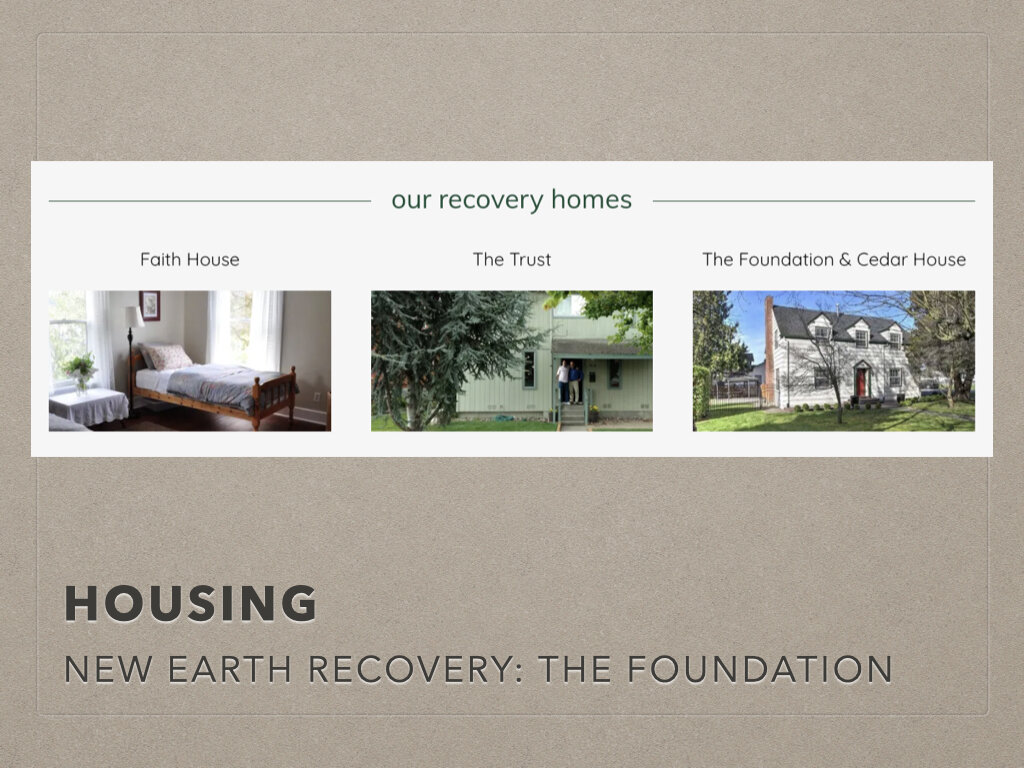
Hopefully your returning friend and you have found some kind of low-rent program, transitional house, recovery home, or other situation. Rent can be $700-800/mo. Save up for two months’ rent – $1,400 - 1,600 – as they work their early reentry so they don’t have to panic about a job that first month. Their first full-time job is piecing their new life together.
There’s Always Something
Dozens of barriers appear that you can’t plan for. Rather than scramble and try to raise more funds one or two months after release, just add $500 to the total now, while people are together and giving. Embody God’s generosity: it brings peace when panic comes.
Total: $2,830
Yes, that feels a very large amount if one person had to supply it. But that’s not a lot for a whole church to put together.
If you think your church might balk at this amount—roughly $3,000—invite them instead to wonder how newly-released individuals ever get their driver’s licenses and insurance, pay down legal debt in multiple courts, pay first month’s housing, buy clothing and hygiene products, or get to work legally to begin earning minimum wage. That dollar amount is a quick glimpse at the size of the stone to roll away.
Also encourage them to wonder: how many people go back to prison when they’re unable to pay these costs all on their own, starting over with nothing? Not only can your congregation pool together this amount as you invite them in, but rallying to raise this amount is how we wake communities up to see how heavy the barriers are!
Remind the church that you aren’t handing the cash over to your releasing friend, rather your team will be accompanying your friend through the gauntlet of offices and appointments, armed with a community of Christ’s collection of financial support (a check, cash, a church debit card to swipe) at those intimidating desks. Their shared giving will become a talisman of forgiveness—erasing the barriers and burdens of sin and death.
6. WELCOME HOME BASKET

In addition to financially building the Roll Away the Stone Fund, congregants can participate in the welcome by contributing something tangible to the Welcome Home Basket.
These are common personal and household supplies that your friend won’t have to spend their first day gathering in the brightly-lit aisles of an overwhelming Wal-Mart warehouse. Instead, everyone gets to share in purchasing one thing — and think specifically about your releasing friend and their needs when you do —and it becomes a cornucopia of welcome and “Wow!“ that your friend gets to hold onto the first day, aware that a much larger community is saying: We Love You, We Are Glad You’re Home.
One church had a pile of greeting cards for congregants to write in and mail to the releasing friend in their final month before coming home!
So many of these ideas came from loving folks like you in local churches. You all know how to celebrate and bless! This is what small communities already do so well — now, apply it to someone who hasn’t received much celebration and blessing in their life. This is a big deal.
Feel free to copy and paste the list below into a church bulletin or a powerpoint slide for the event, and/or email it to folks later.
Welcome Home Basket Items:
toiletries: deodorant, toothbrush, toothpaste, soap / body wash, shampoo, lotion
toilet paper, towels
small notebook, pens, and planning calendar
backpack
bag of new white socks
belt
clothing gift cards to Ross, TJ Max ($300)
a simple cell phone with prepaid minutes
gift card for local, fun, family outing
IOUs for fun activities congregants can invite them to join in on
Used car. Don’t try to fit this in the basket! And try not to mention it to your releasing friend ahead of time – that makes it an even better surprise. It’s a big ask, but a car can be a game-changer to have waiting in the wings for when your friend gets their driver’s license and insurance. Pray and ask around the congregation for a member with a used car they could tithe. This is also an opportunity for someone in the congregation with auto repair/maintenance skills to come alongside your friend and help tune up the car together.
7. COMMENTS, QUESTIONS, & ANSWERS
Take the last fifteen minutes for folks to ask questions: the basics of the program, where your person will be living, the different ways funds will be used. Some may want to help. Some may have some fears. Their questions and your group’s answers are important.
8. PRAY
Invite everyone to join in prayer. When people reach their hand out in blessing, when they bow their head to God’s larger love, a deeper knitting together happens –an alignment of will into the Holy Spirit. Give space for congregants to speak out their own prayers; they might surprise you. The most fearful or resistant congregant might be the one saying something that surprises them and makes you cry. God’s Spirit is at work. You have done a lot of work gathering at the tomb; now you’re inviting others to join you in the work of release!
Watch what the spirit of the resurrected Christ can do. Keep your eyes open.
ACTION STEPS & FOR TEAM DISCUSSION
There are no action steps or discussion questions this month. Use your meeting time to brainstorm how to launch this event within your congregation this season, divvying up responsibilities and getting creative. Don’t be shy about involving more of church leadership at this point–elders, deacons, worship leaders, co-pastors.
And have fun! This is holy work you’re doing. Take care of each other. The hardest work is ahead, after Lazarus stumbles out into the world we call home.
