
BOOK 2: ROLLING AWAY THE STONES
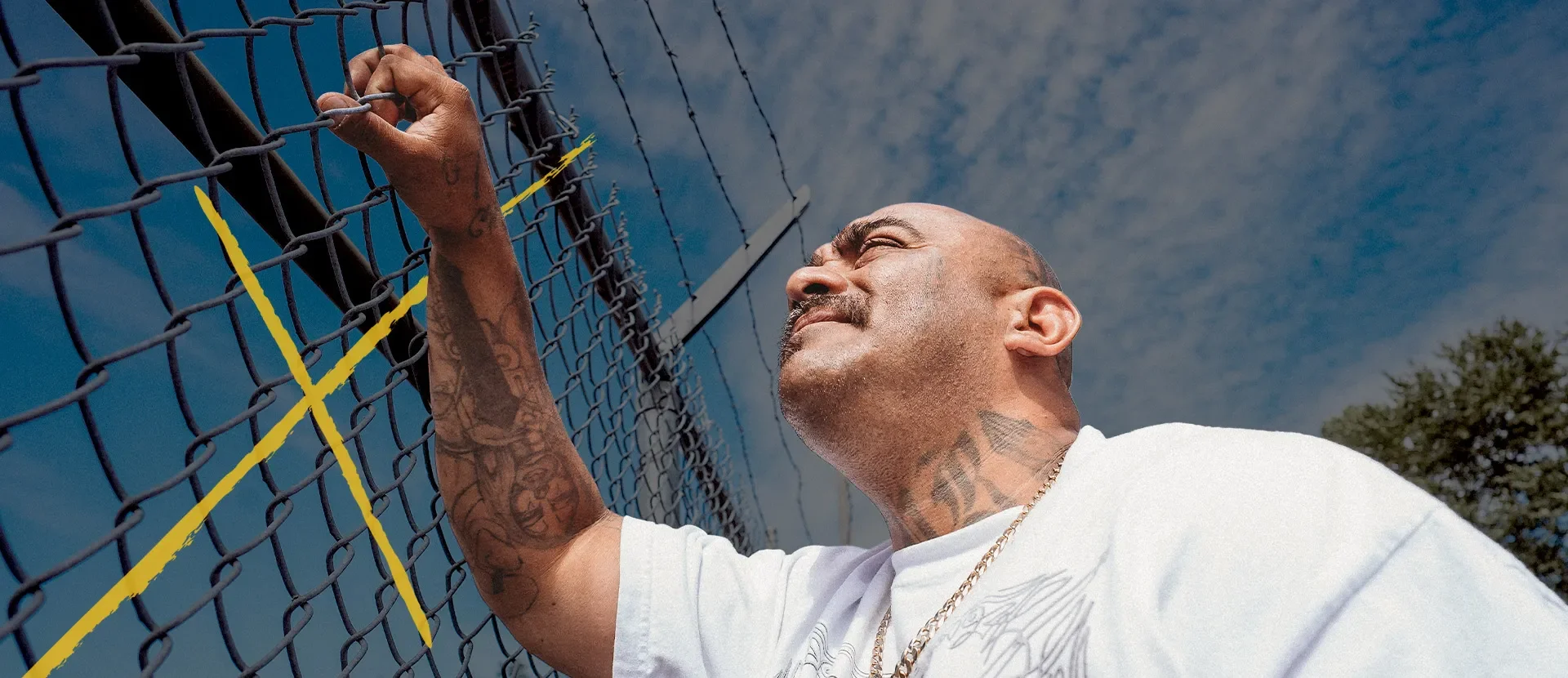
In a society that disposes of humans, relationship interrupts the cycle.

MASS INCARCERATION
You’ve heard this term a lot by now. What does it mean?
2 million humans in America are incarcerated. Check out the graph below for how this compares to other nations.

We have a massive problem with throwing human beings away. Our human dumpster system has become unsustainable.
Jesus calls his followers to practice resurrection. With 2 million fellow humans buried in a human landfill system, how do we practice that as Christians today?
Now that we know somebody who’s underground, deep inside that system, it is essential for us to learn about the larger history behind it. We need to know the history of the “tomb system” that we are engaging with as a team. The more familiar we get with the institutional “stones”, the more we can help roll away barriers between us and our friend, the Lazarus character, returning to the land of the living.
Fortunately, our nation is waking up to this mass error of ours—both liberals and conservatives – So there’s a wealth of material coming out about incarceration history.
For those on the outside, take some time this month to view the three videos and website linked below. They are outstanding. For those on the inside, you know what incarceration is.
Use the questions at the end of the module for discussion.
QUICK QUESTION
THE BASICS
The short version – just four minutes. Call it glib; sometimes satire is a helpful way to not drown in the complexity and tragedy of such darkness.
THE NUMBERS
Click below for a very one-of-a-kind website experience, like nothing you’ve ever scrolled. That’s just it: you keep scrolling, and scrolling, and you feel the numbers. Helpful information pops up as you scroll. It’s hard to stop. It dismantles our common and misinformed assumptions that say any of this is “normal” or “just” or “safe.”

THE HISTORY
This is director Ava DuVernay’s examination of the U.S. prison system and how the country's history of racism drives high incarceration rates. It’s an Oscar-nominated film that won Best Documentary at the Emmys, the BAFTAs and the NAACP Image Awards. Note: Rated TV-MA, for mature audiences.
THE REVOLVING DOORS
Fifteen years after he left prison, Jason Bobbitt found himself headed back. The father of five tried to find honest work once he got out, but couldn't, getting nabbed on the exact same cocaine charges that first landed him behind bars.
If you feel overwhelmed or troubled while watching these, or troubled, that’s ok.
Guilt is not the goal, but opened eyes, opened ears, larger hearts. This is what happened to Saul when the “scales” fell off his eyes, after seeing Christ speak to him through the image of a state-executed poor man. It caused him to enter into deeper relationship with that man’s community (Acts 9).
Fr Richard Rohr speaks to our spiritual formation and awakening when we draw near to those most hurt by these systems:
“When we are in the middle or upper tier of privilege, it is almost impossible to see the many ways the system helped us succeed. We cannot recognize or overcome this “agreed upon delusion” as isolated individuals, mostly because it is held together by the group consensus. The dominant group—in any country or context—normally cannot see its own lies. We have to pay attention to whomever is saying “I can’t breathe” to recognize the biases at work.
This often only changes when, through friendship with people of different backgrounds and life experiences, we witness mistreatment and marginalization. We get to know someone outside our immediate social circle. Our sister falls in love with someone from another race, religion, or culture. Our grandchild is transgender. [Our church invites us to begin writing letters with someone in prison.] We see all the ways life is more difficult for them than it needs to be. We feel their pain instead of standing apart at a safe distance.”
This is where our prayer practice grounds us: “Jesus, what do you want to teach me about your heart — for the incarcerated, for our releasing friend, for this broken system our nation has created?”
“The love of God creates in us such a ONEING that, when it is truly seen, no one can separate themselves from another. ”
— Lady Julian of Norwich, 14th century English Mystic
FOR TEAM DISCUSSION
It is easy to forget the relationship you have with one person and get fired up about (or debate) this huge societal problem. How do we avoid that? How do we let this overwhelming reality break our hearts and still focus our attention on the one person we get to know and love, leaving this underground system?
Imagine this: What if every one of the 2 million humans locked up in America had a team of people in their hometown who got to know and support them, the way you are doing now? What if every person had new relationships with community members – visiting them, growing to love them, struggling through big questions while supporting their reentry? How might that revolution in relationship change the national situation?
How can you share what you are experiencing in this relationship with one person in the mass incarceration system with more churches, individuals, and friends?
FOR REFLECTION
